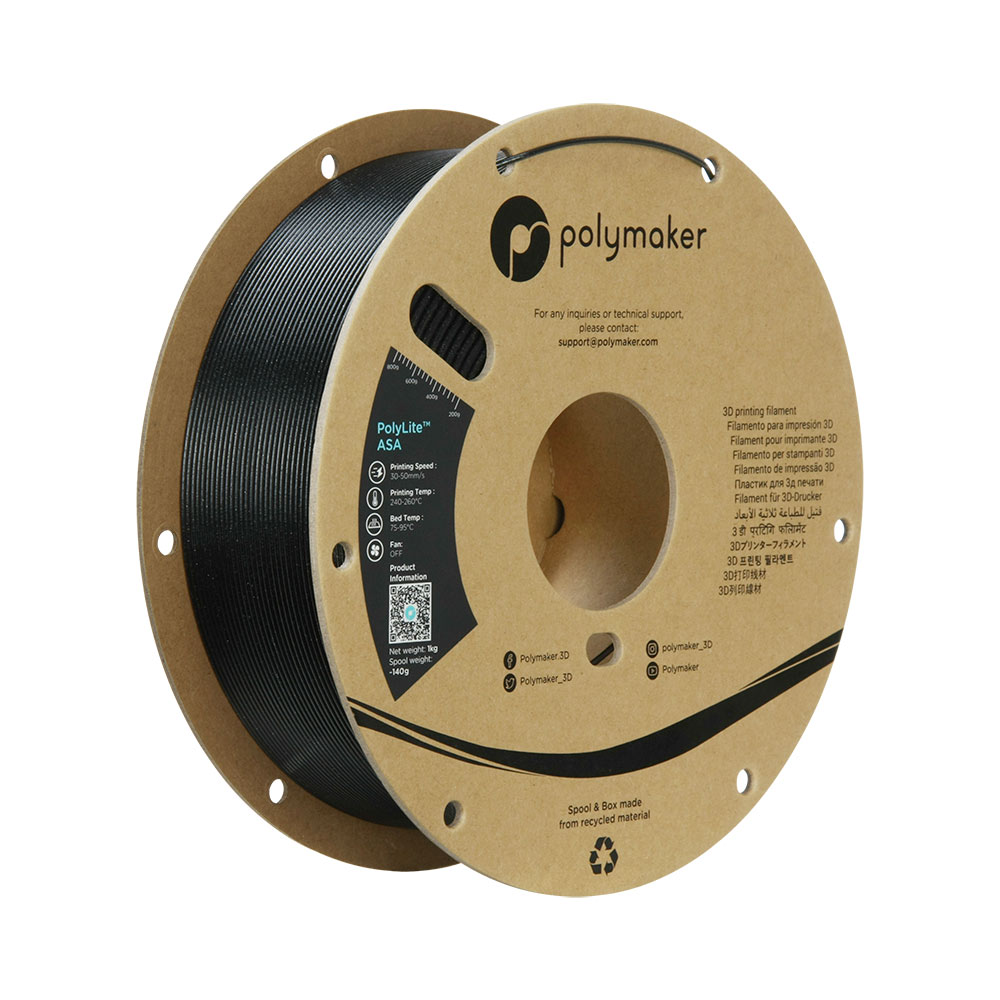
Polymaker™ ASA Galaxy Black 1.75mm 1kg
UV Resistant, Outdoor-Ready Performance (formerly known as Polylite ASA)
ASA / 1.75mm / 1000g / Galaxy Black, Galaxy Blue, Galaxy Red, Galaxy Green
- Manufacturer: Polymaker
- Manufacturer number: PF01048
- EAN: 6938936714040
- Item number: 40697
- Availability: from stock > delivery time 1-3 working days

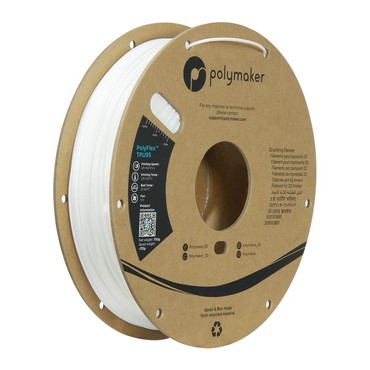
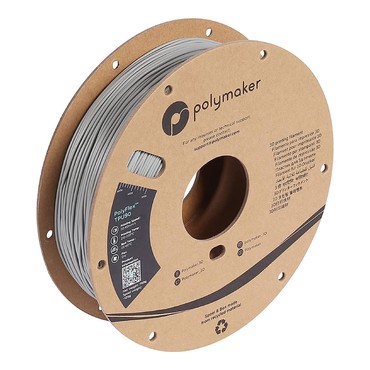
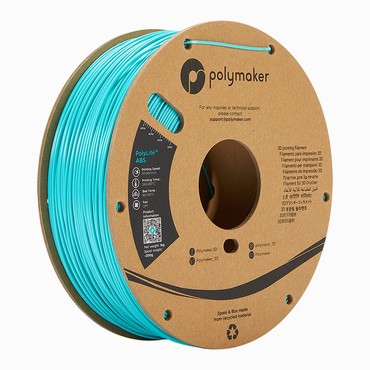
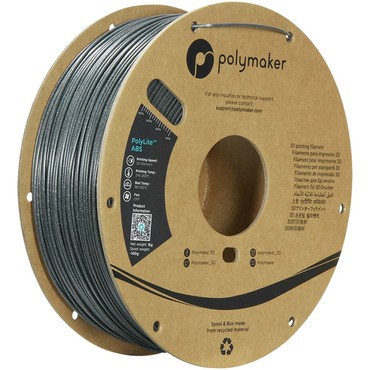
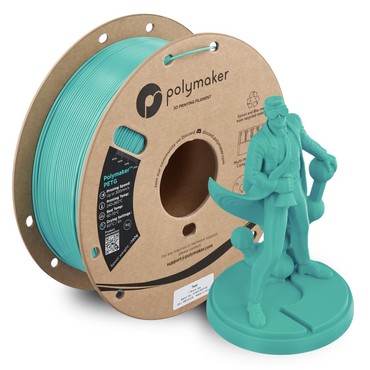
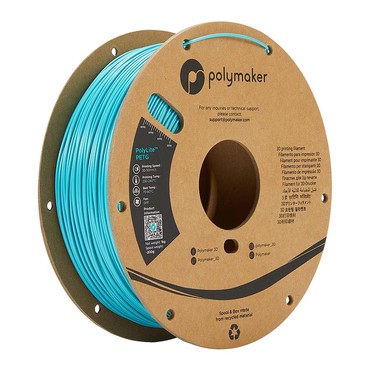
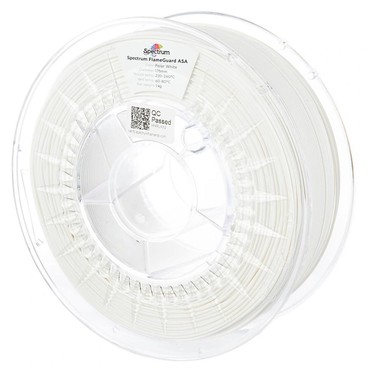
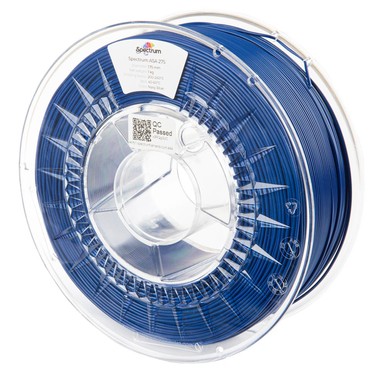
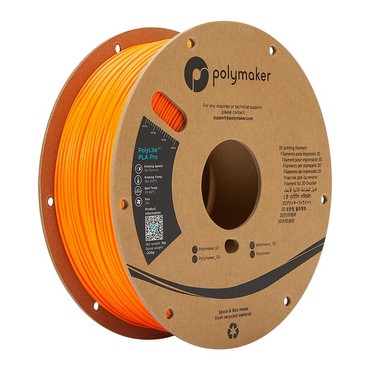
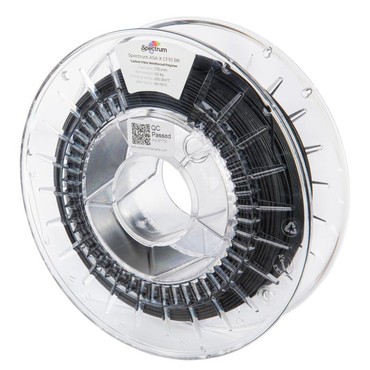
Polymaker™ ASA: UV Resistant, Outdoor-Ready Performance
Cosmic Glitter Effect
Fine glitter particles within the filament create a deep, sparkling finish—just like a starry sky.
Brilliant Side Effect: Typical 3D printing layer lines become visually almost invisible!
Superior Weather and UV Resistance
Polymaker™ ASA is engineered as an advanced alternative to ABS, offering improved weather resistance and excellent UV stability. This makes it the ideal filament for outdoor applications where exposure to sunlight and the elements is a concern.
Robust Mechanical Properties
With mechanical strength and durability comparable to ABS, Polymaker™ ASA delivers reliable performance for functional parts, enclosures, and prototypes that need to withstand real-world conditions.
Easy Transition from ABS
Polymaker™ ASA prints with settings very similar to ABS, making it easy to switch for users familiar with ABS printing. Simply use an enclosed 3D printer to ensure optimal temperature control and minimize warping.
Perfect for Outdoor and Functional Parts
Choose Polymaker™ ASA for any project that demands UV resistance, weather durability, and strong mechanical properties—perfect for outdoor use and long-lasting results.
Note: PolyLite ASA is now Polymaker ASA.
Printing Requirements
- Enclosure that can trap ambient air and keep it hot
- All-metal hotend that can reach 250C+ is recommended though not needed.
And that's all! You can use Magigoo Original to help with build plate adhesion
While possible to print with a 0.4mm nozzle, if you want to avoid any chance of a clog - you may want to use a 0.6mm or larger.
- Material
ASA - Printing temperature
240 - 260 °C - Heatbed
75 - 95 °C - Surface
Magigoo Original recommended - Filament diameter
1,75 mm - Filament Net weight
1000 g - Gross weight
1400 g - Storage
dry and cool
Worin besteht der Unterschied zwischen ASA und ABS?
ASA ist fast identisch mit ABS, weist jedoch einen wesentlichen und einen geringfügigen Unterschied auf:
Der wesentliche Unterschied besteht darin, dass ASA eine extrem hohe Witterungsbeständigkeit besitzt (Beständigkeit gegen UV-Licht und umgebungsbedingte Spannungsrissbildung).
Der geringfügige Unterschied liegt darin, dass ASA beim Drucken eine ansprechendere, matte Oberfläche erzeugt, die die einzelnen Schichtlinien etwas kaschiert.
Verfügen Sie über Testergebnisse zur UV-Beständigkeit von ASA?
Es werden Tests zur natürlichen und beschleunigten Alterung durchgeführt, um den Zusammenhang zwischen Farbe, mechanischen Eigenschaften und der Alterungsdauer von ASA-Materialien zu untersuchen und so deren Witterungsbeständigkeit zu bewerten. Nach einer zweijährigen Prüfung unter natürlichen Alterungsbedingungen zeigte das ASA-Substrat lediglich eine leichte Farbveränderung mit einem Farbdifferenzwert (ΔE) von unter 2,5. Im Test zur beschleunigten Alterung erreichte das ASA-Material einen ΔE-Wert von unter 5 und verzeichnete nur einen minimalen Verlust an Zugfestigkeit – selbst nach einer Bestrahlung von 8000 kJ/m² –, womit es eine deutlich überlegene Leistung im Vergleich zu ABS demonstrierte. Die experimentellen Ergebnisse belegen, dass Bauteile, die Witterungseinflüssen im Freien ausgesetzt sind (Sonnenlicht, Regen, Temperaturschwankungen), ihre Integrität für einen Zeitraum von mindestens zwei Jahren bewahren.
Kann Polymaker™ ASA mit Aceton nachbearbeitet werden?
Ja, Polymaker™ ASA lässt sich mit Aceton glätten.
WARNUNG: Aceton ist eine gefährliche Chemikalie; bitte gehen Sie bei der Handhabung mit den erforderlichen Sicherheitsvorkehrungen vor.
Wir empfehlen PolySmooth™ als sicherere Alternative, um Modelle mit glatten Oberflächen zu erstellen.
Passen die Spulen in ein AMS-System?
Ja! Wir haben die Kanten unserer Spulen neu gestaltet, sodass sich nun alle Polymaker-Produkte problemlos im AMS-System abrollen lassen.
Ist dieses Material lebensmittelecht?
Leider liegen uns derzeit keine Daten darüber vor, ob dieses Material lebensmittelecht ist. Zum jetzigen Zeitpunkt erfüllt kein auf dem Markt erhältliches 3D-Druckmaterial die FDA-Vorgaben für Lebensmittelechtheit. Dies liegt daran, dass für eine Zertifizierung als lebensmittelecht nicht das Basismaterial, sondern das fertige Objekt selbst zertifiziert werden muss. Faktoren wie die Form des Objekts, das verwendete Druckbett, die Umgebung, in der das Objekt gefertigt wurde, und vieles mehr fließen in die Erteilung eines Zertifikats für Lebensmittelsicherheit ein. Derzeit bietet die FDA noch keine spezifische Zertifizierung für den Bereich des 3D-Drucks an.
Bieten Sie auch Nachfüllpackungen (Refills) an?
Wir bedauern, Ihnen mitteilen zu müssen, dass wir derzeit keine Nachfüllpackungen im Angebot haben.
----What is the difference between ASA and ABS?
ASA is almost exactly the same as ABS with 1 major difference and 1 minor difference:
The major difference is ASA is extremely good at weather resistance. (Resistance to UV light and environmental stress cracking)
The minor difference is ASA prints with a nicer matte finish slightly hiding the layer lines.
Do you have test results for UV resistance with ASA?
Natural and accelerated aging tests are conducted to explore the correlation between color and mechanical properties of ASA materials and aging duration, assessing material weather resistance. Following a two-year natural aging examination, the ASA substrate exhibited a slight color alteration with a color change value (ΔE) below 2.5.In the accelerated aging test, the ASA material demonstrated a ΔE value below 5 and minimal tensile strength loss, even after exposure to 8000 kj/m2 irradiation, showcasing superior performance compared to ABS.Experimental findings substantiate that components exposed to outdoor weather elements (sunlight, rain, temperature fluctuations) maintain integrity for a minimum of two years.
Can Polymaker™ ASA be post-processed with Acetone?
Yes, Polymaker™ ASA can be smoothed with acetone.
WARNING: Acetone is a dangerous chemical, please handle it with the necessary safety precautions.
We recommend PolySmooth™ as a safer alternative to create smooth surface models.
Will the spools work in an AMS?
Yes! We have redesigned the edges of our spools so all Polymaker products will now spin great in the AMS.
Is this material food safe?
Unfortunately we do not have any data whether this material is food safe. As of now, no 3D printing material on the market is FDA food safe compliant. This is because in order to be certified as food safe, the actual object needs to be certified and not the base material. The shape, bed used, environment the object was made, and much more goes into getting a food safety certificate. As of now there is no real certification that the FDA offers for 3D printing.
Do you sell refills?
We are sorry but we do not sell refills at this time
- Manufacturer
- Polymaker B.V.
- Vondellaan 88, 3521GH Utrecht, Netherlands
- sales.eu@polymaker.com
- https://www.polymaker.com/